
Thinking about a career in interior design? The Vikas Institute of Interior Design in Bangalore might be just what you’re looking for. They’ve built a reputation for helping students learn the practical side of design while keeping up with the latest trends. Whether you want to study full-time, part-time, or online, they have flexible options to fit your schedule. Their advanced interior course design training in Bangalore is especially popular for people who want to get hands-on experience and industry exposure. Here’s what you should know before you sign up.
Key Takeaways
- Vikas Institute of Interior Design offers advanced interior course design training in Bangalore, focusing on real-world skills.
- Flexible learning options are available, including full-time, part-time, online, and offline courses.
- Students work with modern tools and technologies and get to participate in live projects and showcases.
- The institute’s programs are accredited, helping graduates earn recognized diplomas and industry certifications.
- Graduates have a wide range of career opportunities, from interior designer roles to specialized positions in 3D visualization and sustainable design.
About Vikas Institute of Interior Design
Vision and Philosophy
Vikas Institute of Interior Design believes every aspiring designer deserves a place to explore, question, and build their path in the world of interiors. The institute aims to nurture creativity while giving students practical knowledge that’s relevant in real projects. Their mission is clear: connect education with real-world application so graduates are ready for the design industry, not just the classroom.
- Encourages hands-on learning and experimentation.
- Focuses on design principles that matter in day-to-day work.
- Supports individual expression alongside teamwork.
Students at Vikas Institute quickly notice a culture that invites risk-taking and new thinking, helping them grow into designers with their own voice.
Campus and Facilities
The campus is located in Chamrajpet, Bengaluru, mixing easy-access with a genuine studio feel. It’s got all the tools needed to bring creative ideas to life. You’ll find spaces set up for group projects, quiet work zones, and tech-focused labs for design software.
Facilities at a Glance:
| Facility | Details |
|---|---|
| Design Studios | Collaborative workspaces |
| Computer Labs | Up-to-date design software |
| Material Library | Physical samples, catalogs |
| Student Lounge | Space for discussion, relaxing |
| Workshop Area | Crafting and model-making |
- The campus operates mainly Monday through Saturday, 8:30 am to 7:30 pm.
Faculty and Teaching Approach
The faculty at Vikas Institute blend both industry and teaching backgrounds, so classes rarely feel theoretical. They commonly bring their professional experience into lessons, discussing projects they’ve tackled, mistakes they’ve made, and what worked (or didn’t) on the job.
- Courses prioritize real applications, not just design theory.
- Instructors guide students through real client briefs and site visits.
- Feedback is frequent and practical, with a focus on growth over grades.
Students often say the best lessons come from the teachers’ stories, and how they challenge everyone to push creative limits and think on their feet.
Advanced Interior Course Design Training In Bangalore: Program Highlights
Curriculum Overview
The Vikas Institute’s advanced courses cover everything from the basics of color theory to the technicalities of lighting, materials, and spatial layouts. Each module is built to give learners a thorough understanding of both residential and commercial interiors. You’ll find a mix of theory classes, group projects, and design studios, all laid out to build your skills in layers. Students spend time working with industry software, experimenting with sustainable materials, and learning the newest design trends for 2025. By the end of the course, everyone will have a design portfolio that showcases real, creative problem-solving.
- Introductory design concepts
- Space planning fundamentals
- Materials and finishes selection
- Lighting design
- Professional communication and presentation
Hands-On Learning Experiences
Vikas Institute doesn’t just stick to theory—it’s very practical. There are workshops where you tackle real-world projects, site visits to active design spaces, and internships with Bangalore-based firms. This isn’t just about looking at blueprints—you’ll be building models, testing materials, and adapting to the demands of real clients. The hands-on focus makes the difference between knowing and actually doing.
- Studio projects involving real spaces
- Site measurements and documentation
- Internship and live projects with professional designers
- Constructing 3D models and learning computer-aided design tools
Everyone gets a chance to make decisions, take risks, and learn directly from their mistakes—it’s sometimes messy, but there’s just no better way to really learn design.
Industry Collaborations and Guest Lectures
One of the program standouts is its strong link with the local and global design world. Regular guest lectures bring in working designers to discuss current projects. Design studios often invite industry mentors to critique student work and provide feedback. Partnerships with vendors and manufacturers mean you learn directly about new materials and tools from the source. It’s not unusual to find yourself working on design briefs set by real companies or hearing case studies from designers who’ve just finished big commercial spaces. This direct exposure keeps everything current—and makes you ready for what clients expect outside the classroom.
- Guest designers from top firms share real project experiences
- Industry workshops on new materials and software
- Collaborative projects with local businesses
| Program Component | Practical Hours/Week | Industry Exposure |
|---|---|---|
| Studio Design Labs | 8 | High |
| Guest Lectures | 2 | Moderate |
| Site Visits | 1-2 | High |
| CAD/3D Workshops | 4 | Moderate |
If you’re looking for a course that blends creativity, technical skill, and the energy of real Bangalore design culture, this one doesn’t hold back.
Flexible Learning Options For Every Aspirant
Interior design isn’t all about sitting in a classroom, taking notes. People have busy schedules, jobs, and family stuff. Not everyone can commit to regular hours or a set location. That’s why Vikas Institute of Interior Design puts flexibility front and center. You don’t have to pause your life to start learning interior design.
Full-Time and Part-Time Courses
There isn’t a “one size fits all” when it comes to learning pace. Some go all in, while others balance work or other studies. Here’s how our options shape up:
- Full-time courses: Best if you want in-depth training fast. These programs keep you on campus regularly, covering every topic thoroughly.
- Part-time courses: Great for working professionals or students who can’t drop everything. Split across evenings or weekends so you can keep up with responsibilities.
- Custom schedules let students switch between full and part-time, depending on what life throws at them.
Online vs. Offline Learning Modes
Vikas Institute doesn’t believe in limits. Some folks like getting their hands dirty with physical materials, while others prefer the comfort of their laptops. Both paths have their perks:
| Mode | Experience | Who It’s For |
|---|---|---|
| Offline | Studio work, live demos | Those wanting real interaction |
| Online | Self-paced, interactive modules | Busy learners or remote students |
- Online courses mean learning anywhere, anytime. Watch a module at midnight? Totally doable.
- In-person sessions thrive on collaboration and feedback with peers and instructors.
- For many, a blended approach brings the best of both worlds—practice in person, theory online.
If your days are unpredictable, finding a learning mode that keeps pace with your life can make all the difference between giving up and crossing the finish line.
Short-Term Certifications and Diplomas
Not everyone is in it for the long haul, and that’s fine. Vikas Institute offers focused, short-term certifications and diplomas. These programs tackle one main topic or skill over a few weeks or months, perfect for job-seekers or career changers.
Some quick facts:
- Short courses generally last 1-3 months and focus on tools like 3D SketchUp or AutoCAD.
- Diplomas range from 6-12 months, diving deeper into core design and technical skills.
- Certifications can be stacked, so you build your credentials bit by bit.
Few education spaces in Bangalore are as flexible. Whether you’re aiming for a career jump, new skills, or a fun creative outlet, there’s a program for every aspiration. Don’t worry about fitting the mold—here, the learning fits you.
Fostering Creativity and Innovation In Interior Design
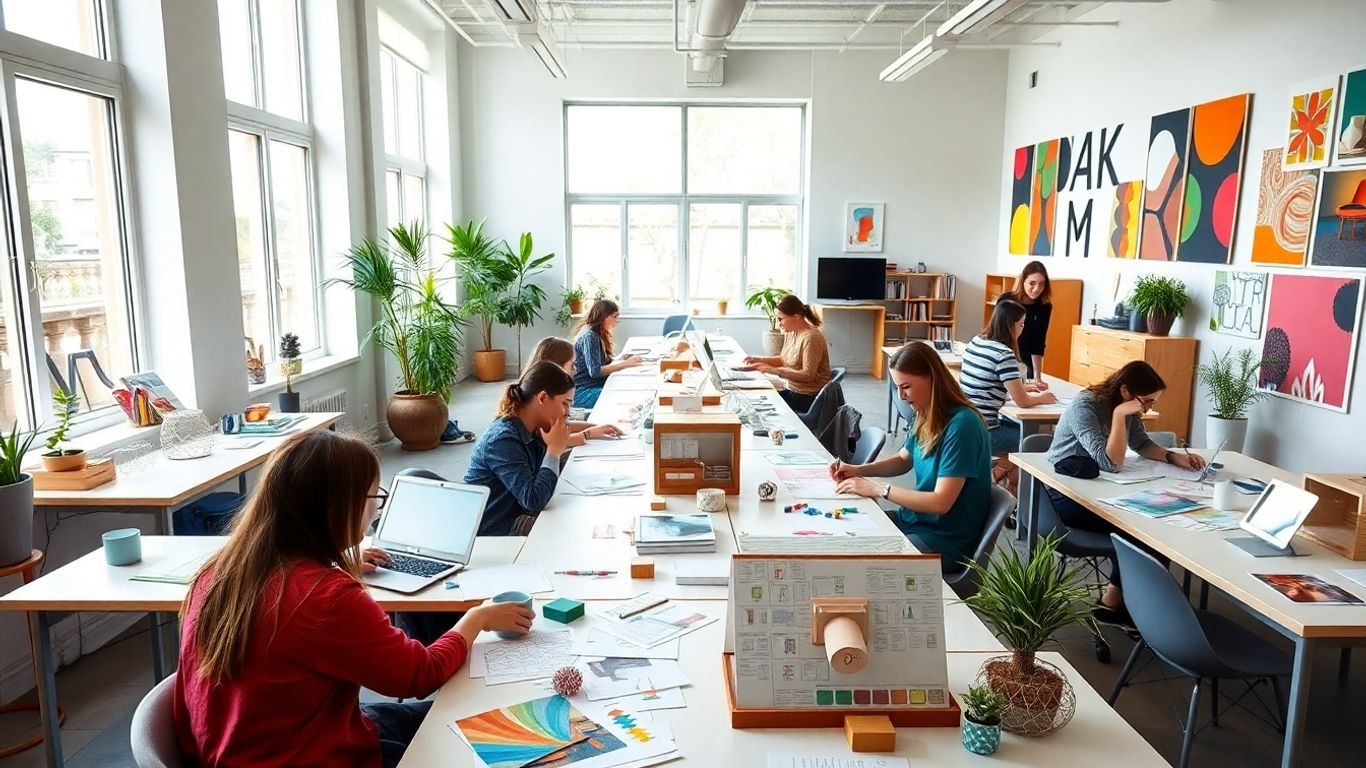
At the Vikas Institute of Interior Design, the focus is on pushing boundaries and encouraging students to think differently. Creativity is treated as a skill you grow through everyday practice, making mistakes, and exploring new ideas. Studying here means digging into design problems and working out solutions, not just copying what’s already been done.
Collaborative Learning Environment
Learning isn’t a lonely path at this institute. Students team up on group projects and brainstorm together. You bounce ideas off each other, sometimes disagree, but end up seeing things from another angle. Collaboration looks like:
- Group design critiques where everyone gives feedback.
- Cross-discipline workshops with architecture and engineering students.
- Peer review sessions that help sharpen thinking.
When students work together, designs often turn out more thoughtful, because everyone brings something different to the table.
Use of State-of-the-Art Tools and Technologies
Keeping up with cutting-edge design software and materials is a must. The institute gives access to industry-standard digital tools, including:
- 3D modeling software (like SketchUp and AutoCAD)
- VR and AR for seeing design concepts in real time
- Modern material libraries for hands-on testing
| Tool | Main Function | Student Use |
|---|---|---|
| AutoCAD | 2D/3D Drafting | Space layouts |
| SketchUp | 3D Visualization | Concept demos |
| VR Headsets | Immersive walkthroughs | Client pitches |
Exposure to these tools means students graduate already familiar with what’s used in real studios.
Student Projects and Showcases
Real growth comes from creating things and sharing them with others. Throughout the year, students:
- Work on real-world projects for local businesses or non-profits.
- Take part in design competitions, both in-house and national.
- Present finished work at open house events and public exhibitions.
This approach means students get feedback from not just faculty, but other designers and sometimes even potential clients. That kind of experience is hard to put a price on and really does build confidence.
Accreditation and Professional Certifications
Choosing the right program means looking at accreditation. A diploma from an accredited institute signals to employers that you’ve completed coursework meeting industry standards.
Some recognized programs and certifications include:
- Diploma in Interior Design (from an approved college or university)
- NCIDQ Certification (mainly for North American standards)
- Autodesk Certified User (helpful for mastering tools like AutoCAD and Revit)
- Specialized Diplomas, like those in Sustainable Interior Design
Getting a credential from a well-regarded place gives you an edge when applying for jobs. It also means the learning you receive is relevant and up-to-date with what employers want.
Career Prospects After Completing Advanced Interior Course Design Training In Bangalore
Completing advanced course design training in interior design, especially in a bustling city like Bangalore, can completely change your career outlook. The field is growing, and opportunities stretch across different industries—from homes and offices to events and retail spaces. Graduates with advanced skills find themselves in high demand for their ability to blend design and function. Here’s a breakdown of where your skills can take you:
Interior Designer Roles Across Sectors
After finishing your program, you can explore jobs in various settings. Here are some common roles:
- Residential Interior Designer: Working directly with homeowners to create personalized living spaces.
- Commercial Interior Designer: Designing layouts and spaces for offices, shops, and restaurants.
- Hospitality Designer: Specializing in hotels, resorts, and cafes for maximum guest comfort.
- Set Designer: For film, TV, and events—you’d be surprised how much design goes into these worlds!
- Sustainable Designer: Focusing on eco-friendly materials and environmentally conscious design methods.
Specializations: From Space Planning to 3D Visualization
Interior design isn’t just about picking colors. Here are a few specializations you might branch into:
- Space Planning – organizing and optimizing layouts for comfort and workflow.
- Furniture Design – custom pieces for unique styles.
- 3D Visualization – using software like AutoCAD or SketchUp to create virtual samples for clients.
- Lighting Design – playing with both natural and artificial light to set the mood of a space.
- Project Management – taking entire projects from concept to completion.
Global and Local Opportunities in Interior Design
Your skillset opens doors both in India and abroad. With design trends going international, qualified designers can:
- Work with leading architectural and design firms, both locally and internationally.
- Set up their own consultancy or studio—you decide your path.
- Get into industries like set design, retail space planning, or even furniture manufacturing.
- Freelance remotely, collaborating with clients around the globe.
| Career Path | Potential Employers | Typical Starting Salary (INR/Month) |
|---|---|---|
| Residential Designer | Design Studios, Consultancies | 25,000 – 45,000 |
| Commercial Designer | Corporate Offices, Retail Chains | 30,000 – 50,000 |
| 3D Visualizer | Architecture & Design Firms | 30,000 – 55,000 |
| Furniture Designer | Manufacturing Companies, Studios | 28,000 – 48,000 |
| Project Manager | Large Construction Companies | 35,000 – 65,000 |
A big advantage of training in Bangalore is the balanced mix of local design culture and exposure to technology, which adds a real boost to your employability—plus, there’s steady demand for skilled designers in both established firms and startups.
Sustainability and Trends in Modern Interior Design Education
Incorporating Eco-Friendly Practices
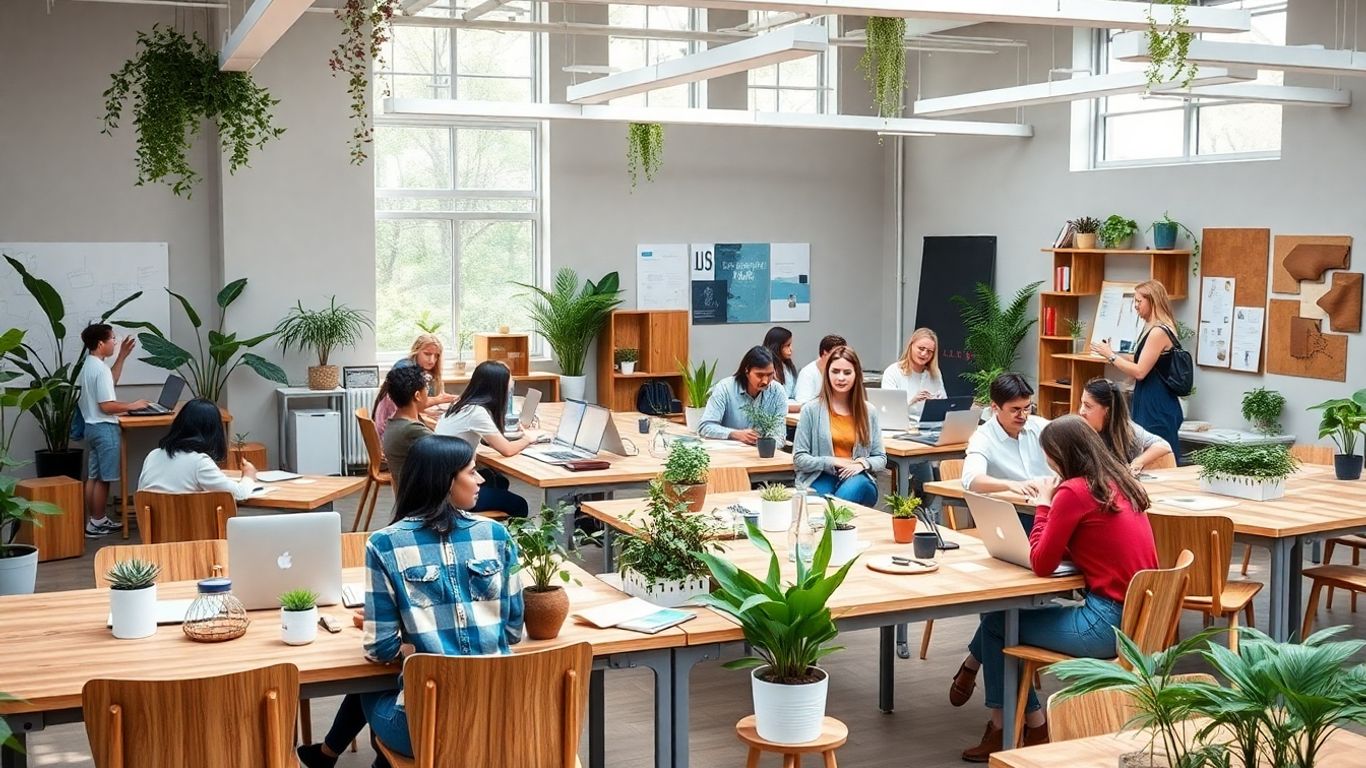
In the world of interior design education, more programs are teaching students to think about the planet. Sustainable design is becoming a top priority for both students and teachers. Today, lesson plans are packed with topics on natural lighting, choosing the right materials, and reducing waste during projects. Many institutes even guide students on how to select renewable and recycled materials—like bamboo floors or reclaimed wood—so their work reflects an eco-conscious mindset. For example, some classroom projects focus on turning discarded objects into furniture or creative decor, encouraging learners to make greener choices as part of the design process. If you want to know what’s trending, schools are now making sure their graduates know how to design with the environment in mind, just as highlighted by the growing focus on eco-friendly and responsible design choices for 2025 and beyond.
Key ways students are learning eco-responsibility:
- Choosing non-toxic, renewable, and recycled materials
- Minimizing energy consumption in design concepts
- Promoting adaptive reuse of spaces instead of new construction
Even small design changes—like switching to LED lighting or upcycling old furniture—can add up and make a real difference in the environment over time.
Staying Updated with 2025 Design Trends
Education in interior design is shifting. Every year, the focus changes and right now, trends for 2025 point toward comfort, flexibility, and technology. Hybrid spaces are becoming more common, combining work and relaxation. Biophilic design—bringing a touch of nature inside—has gained popularity, with more students learning how to use plants and natural materials in their projects. Technology, especially virtual reality for 3D visualization, is no longer just an add-on but is woven throughout course modules.
Here’s a table showing what’s showing up most in design classrooms lately:
| Trend | How It’s Taught |
|---|---|
| Biophilic Design | Use of indoor landscaping, daylight |
| Flexible Spaces | Modular furniture & space dividers |
| Tech Integration | VR, AR, and 3D rendering tools |
| Comfort Aesthetics | Soft textures and rounded layouts |
| Sustainability | Low-energy and recycled materials |
Balancing Creativity with Functionality
It’s not just about making things pretty. In 2025, students must figure out how to mix their creative ideas with real-life needs. For example, it’s fun to try bold colors or unique shapes, but the space still has to work for its users. Good interior design training encourages this balance.
- Problem-solving skills are taught through real-world case studies.
- Students practice tailoring their designs to clients’ specific requirements.
- There’s a strong focus on usability—making sure furniture fits and circulation is clear.
A studio project might require transforming a tiny room into a livable workspace without losing style. Classes often wrap up with peer reviews so everyone learns new approaches to creative and practical challenges.
The modern student needs more than artistic flair—adaptability, tech comfort, and awareness of trends are what set them apart after graduation.
Conclusion
Wrapping things up, Vikas Institute of Interior Design stands out as a solid choice for anyone looking to get into interior design. The place has a good mix of hands-on learning and real-world exposure, which is honestly what most students need. The team seems passionate, and the facilities are up-to-date, so you’re not stuck with outdated tools or ideas. Whether you’re just starting out or thinking about switching careers, this institute gives you the space to learn, try new things, and figure out your own style. If you’re serious about building a future in interior design, Vikas Institute is definitely worth considering.
Frequently Asked Questions
What courses does Vikas Institute of Interior Design offer?
Vikas Institute of Interior Design provides full-time and part-time courses in interior design. You can also choose from short-term certifications and diploma programs, both online and offline, to fit your learning needs.
Do I need any special qualifications to join the courses?
Most basic courses are open to everyone, even if you have no experience. For advanced diploma programs, you usually need to have finished your 12th grade or have some background in design.
Is the institute’s diploma recognized by the industry?
Yes, the diplomas and certifications from Vikas Institute of Interior Design are recognized by the industry. This means you can use them to get jobs or further your studies in India and even in other countries.
Will I get hands-on experience during the course?
Absolutely! The institute focuses on practical learning. You will work on real projects, use the latest design software, and even participate in workshops and guest lectures from professionals.
Can I study interior design online at Vikas Institute?
Yes, you can study online if you prefer. The institute offers online classes that are flexible, so you can learn at your own pace and from anywhere.
What kind of jobs can I get after finishing the course?
After completing your course, you can work as an interior designer, furniture designer, space planner, 3D visualizer, or even as a set designer for movies and events. There are many options in both India and abroad.

Contact Information
-----------------------
Vikas Institute of Interior Design
Bangalore, Karnataka
Phone: 9538997466 / 8317318500
Email: vikasinstitutedesign@gmail.com
Website: https://vikasiid.com/
- Interior Design Course in Bangalore: Complete Career Guide for 2026 - ಏಪ್ರಿಲ್ 9, 2026
- Unlocking the Power of Photoshop: A Beginner’s Guide to Mastering the Ultimate Image Editing Software - ಏಪ್ರಿಲ್ 6, 2026
- Unlocking the Power of Sketchup: A Comprehensive Guide to 3D Modeling and Design - ಏಪ್ರಿಲ್ 5, 2026